1. Understanding Aluminum Alloys: Types and Applications
Aluminum alloys are essential materials in various industries due to their lightweight, corrosion resistance, and high strength-to-weight ratio. The choice of aluminum alloy affects the durability and versatility of projects, especially in construction and manufacturing. Understanding the properties of specific alloys is crucial for selecting the right materials. An aluminum supplier China can help you navigate these options and find the best fit for your needs.
1.1 Overview of Popular Aluminum Alloys
Among the many types of aluminum alloys available, some are more popular due to their specific properties ideal for certain applications. The 6000-series alloys, for instance, are known for their good workability and corrosion resistance, making them excellent choices for architecture. The 7000-series is strong and lightweight, often used in aerospace applications. Each alloy brings different advantages, and understanding these can greatly enhance the quality and effectiveness of your projects.
1.2 Applications of 7075 and 6061 Alloys
Alloys like 7075 and 6061 are widely used due to their robustness and versatility. The 7075 alloy, primarily composed of zinc, is among the highest strength aluminum alloys, making it ideal for aircraft and other high-strength applications. In contrast, 6061 aluminum is more malleable and easier to weld, widely used for structural components and piping, offering excellent corrosion resistance and good mechanical properties.
1.3 Choosing the Right Aluminum for Your Needs
Choosing the right aluminum alloy hinges on understanding the application requirements. Factors such as weight tolerance, exposure to extreme environments, and cost considerations are essential in making the right choice. For instance, if your project requires high strength and lightweight material, turning to a reputable aluminum supplier China can streamline your selection process and ensure you acquire the most suitable material for your needs.
2. Manufacturing Excellence: Our Production Process Explained
The process of manufacturing aluminum products involves several critical steps that ensure high quality. At our facilities, we harness advanced machinery and skilled technicians to facilitate efficient production. Quality assurance is integral to operations, and we are dedicated to maintaining excellence in our manufacturing processes.
2.1 Advanced Machinery and Equipment Details
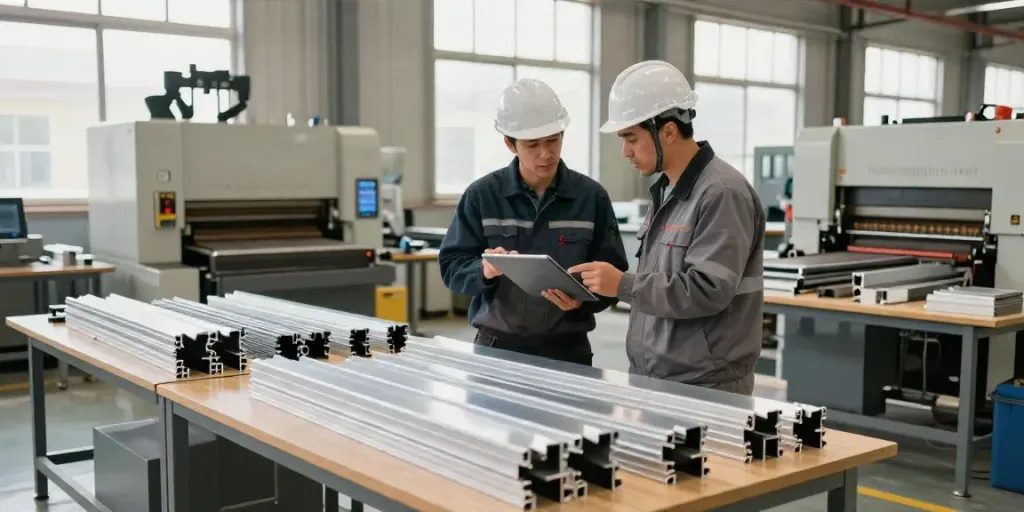
Our production capabilities are bolstered by advanced machinery, including extrusion presses, annealing furnaces, and oxidation process equipment. Each machine plays a vital role in shaping aluminum into the desired forms, be it sheets, bars, or custom profiles. This integration of technology and skilled labor enables us to deliver high-quality products consistently.
2.2 Quality Control Measures in Aluminum Production
Quality control is rigorous at each stage of the manufacturing process. We routinely conduct inspections and testing to ensure that all produced materials meet or exceed international standards. This includes tensile strength tests, surface integrity checks, and dimensional accuracy assessments for all aluminum products.
2.3 Sustainable Practices for Aluminum Manufacturing
In alignment with modern environmental standards, we implement sustainable practices in our aluminum manufacturing processes. Utilizing ISO 14001:2004 certification frameworks, we minimize waste and focus on recycling materials wherever feasible, aligning our operations with eco-friendly principles while still meeting customer demands.
3. Custom Solutions: Tailored Aluminum Products for Your Projects
Every project has unique requirements, and providing tailored solutions is our forte. We offer a wide range of customizable aluminum products that can be designed to fit specific dimensions and performance specifications, ensuring that you get exactly what you need for your particular applications.
3.1 Custom Sizing and Fabrication Options
Our expertise in custom fabrication allows us to create aluminum components in various sizes and shapes, directly catering to your particular usage requirements. Whether it's custom extrusions or bespoke sheet sizes, our facility is equipped to deliver tailored solutions that maintain structural integrity while adhering to your project timelines.
3.2 Benefits of Customized Aluminum Profiles
Using customized aluminum profiles enhances the efficiency of your projects and can lead to significant cost savings. Custom products can reduce the need for excess material, minimize waste, and streamline installation processes, ultimately contributing to smoother project execution.
3.3 Case Studies: Successful Custom Projects
We take pride in our past success stories ranging from architectural applications to specialized manufacturing solutions. For example, our collaboration with a local construction firm on a high-rise project involved designing and crafting custom structural aluminum components that not only met design specifications but also enhanced overall building performance.
4. Certification and Compliance: Ensuring Quality and Safety
Adhering to regulatory and certification standards is crucial in the aluminum supply industry. Our adherence to ISO and OHSAS certifications assures our clients of our commitment to quality and safety in all products and processes.
4.1 Importance of ISO and OHSAS Certifications
ISO 14001:2004 and OHSAS 18001:2007 certifications signify our dedication to environmental management and occupational health and safety practices. These certifications demonstrate our commitment to quality, ensuring that our operations do not adversely impact the environment while prioritizing employee safety and health.
4.2 Regulatory Compliance in the Aluminum Industry
Remaining compliant with local and international regulations is non-negotiable in our operations. We are well-versed in the regulatory standards governing aluminum production, and we ensure adherence to quality benchmarks throughout our processes, giving our customers peace of mind.
4.3 Customer Assurance: Certifications as a Trust Factor
For customers, certifications represent a tangible assurance of quality. They signify that a supplier has undergone rigorous testing and evaluation processes, ultimately providing confidence in product reliability and supplier integrity. When sourcing aluminum, look for suppliers with recognized certifications to ensure you're making a sound investment.
5. How to Select the Right Aluminum Supplier for Your Business
Choosing the right supplier can significantly impact your project success. Here are essential factors to consider when selecting an aluminum supplier that aligns with your business needs.
5.1 Evaluating Credentials and Experience
Always check the credentials of your potential aluminum supplier. Experienced suppliers often have a proven track record of delivering quality products on time. Look for reviews, case studies, and references to gauge their expertise and reliability in handling your specific requirements.
5.2 Understanding Pricing Structures and MOQs
Evaluate the pricing structures of suppliers while considering Minimum Order Quantities (MOQs). Ensure that the pricing aligns with your budget constraints and that the MOQ meets your project needs without leading to excessive inventory or waste.
5.3 Analyzing Customer Reviews and Recommendations
Customer reviews offer honest insights into a supplier's reliability and quality. Seek out testimonials and case studies to understand the experiences of previous customers, as well as any red flags to be aware of when making your choice.
FAQs
What are the most common aluminum alloy types used in manufacturing?
The most common aluminum alloys used in manufacturing include 6061, 7075, 5052, and 3003. Each has unique properties suited for various applications, so understanding their characteristics is essential for effective material selection.
How can I ensure quality when sourcing aluminum products?
To ensure the quality of aluminum products, work with reputable suppliers, request certifications, and review product samples before making bulk purchases. Implementing quality checks can also help maintain standards during procurement.
What is the typical turnaround time for custom aluminum orders?
The typical turnaround time for custom aluminum orders can vary depending on complexity, size, and the supplier's capacity. However, most suppliers can provide estimated delivery timelines during the quoting process. For expedited needs, consider working with suppliers that offer quick service options.