
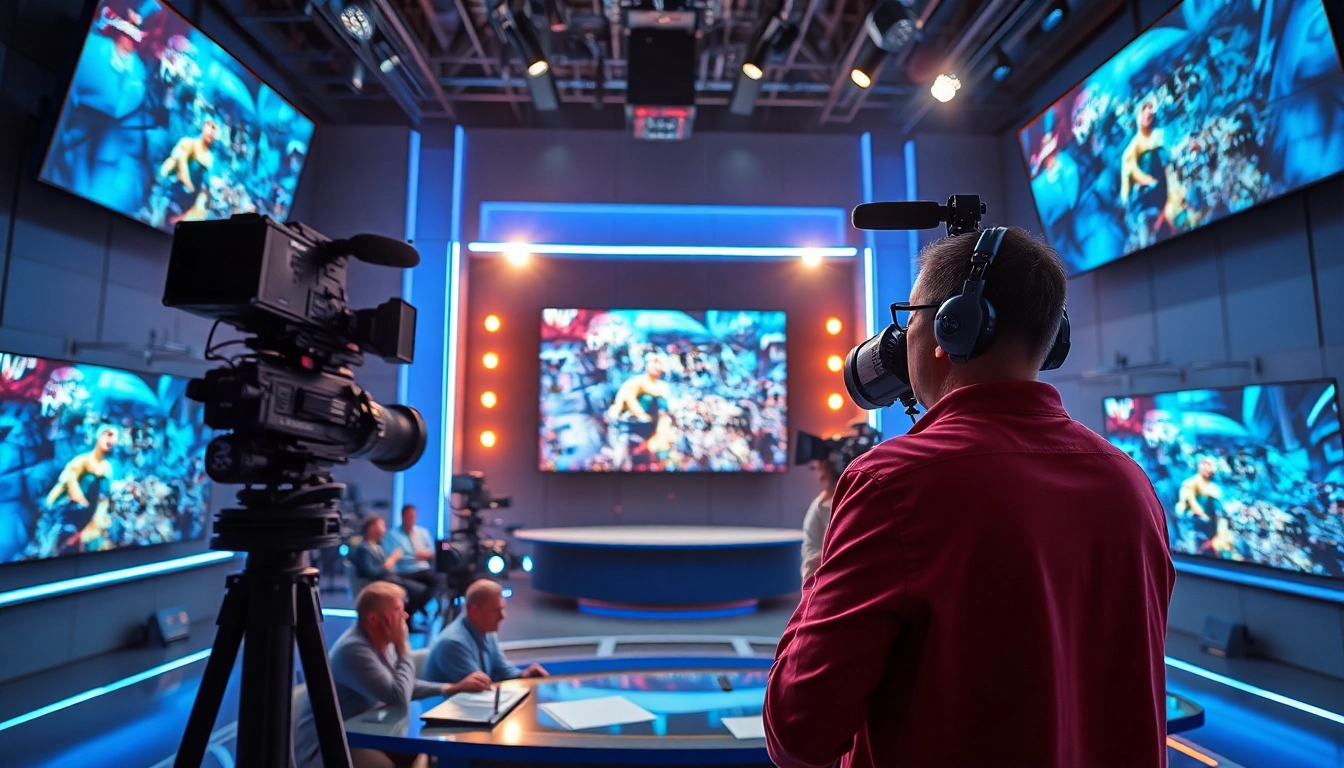
Understanding the Basics of Sports Broadcasting
Sports broadcasting is an essential facet of contemporary media, providing audiences with live coverage and analysis of sports events. The importance of Sports Broadcasting cannot be overstated, as it connects fans with their favorite teams and athletes, fostering community and engagement. This article delves into the fundamentals of sports broadcasting, its types, effective strategies, challenges faced, and future trends.
The Role of Sports Broadcasting in Modern Media
In today’s fast-paced media landscape, sports broadcasting serves as a crucial interface through which fans consume sports content. It blends entertainment with information, bringing real-time action into the homes of millions. High-quality broadcasts enhance viewer experience, helping to cultivate loyalty among fans and generating substantial revenue from advertisements and sponsorships.
Key Components of Sports Broadcasting
Effective sports broadcasting comprises several key components, including:
- Commentary: Skilled commentators play a pivotal role in providing expert analysis and engaging storytelling during live events.
- Graphics and Statistics: Visual aids and statistical data enrich the viewing experience by giving context to the game.
- Camerawork: High-quality camera work is essential to capture critical moments and ensure viewers stay engaged.
- Post-Game Analysis: Expert discussions following a game's conclusion provide insights and reflections that keep conversations alive long after the event ends.
Overview of Broadcasting Technologies
The evolution of broadcasting technologies has significantly impacted how sports events are covered. With advancements in satellite technology, mobile broadcasting units, and streaming services, sports can now reach a global audience instantly. Innovations like virtual reality (VR) and augmented reality (AR) are beginning to enrich the viewing experience, allowing fans to immerse themselves in events like never before.
Types of Sports Broadcasting
Traditional vs. Digital Sports Broadcasting
Traditional sports broadcasting typically includes television and radio, delivering content to audiences through established networks. In contrast, digital sports broadcasting leverages online platforms like social media and streaming services, catering to a tech-savvy audience that prefers on-demand content. Each method has its unique advantages and challenges, which broadcasters must navigate effectively.
Live Sports Broadcasting vs. Highlights
Live sports broadcasting provides real-time coverage, allowing fans to experience the thrill of the event firsthand. Conversely, highlight shows curate the most exciting moments from games, giving viewers a condensed version of events. Both formats fulfill fans' desires for engagement, with live broadcasting emphasizing immediacy and highlights offering convenience without the time commitment of full games.
Interactive Sports Broadcasting Experiences
Interactive sports broadcasting represents a growing trend wherein viewers can engage with the content actively. Platforms are now incorporating elements such as live polls, audience Q&A sessions, and multi-camera views. These features enhance participation and foster a sense of community among fans, making the viewing experience more enriching and personalized.
Strategies for Effective Sports Broadcasting
Building Audience Engagement through Content
Creating engaging content is paramount for success in sports broadcasting. Broadcasters should focus on storytelling, showcasing athletes’ journeys, and highlighting key moments to create emotional connections with viewers. Utilizing pre-game shows, behind-the-scenes footage, and in-depth interviews can also enhance viewer engagement, transforming passive viewers into active participants.
Utilizing Social Media in Sports Broadcasting
Social media advances the reach and impact of sports broadcasts significantly. By leveraging platforms like Twitter, Instagram, and TikTok, broadcasters can promote live coverage, share real-time updates, and engage with fans directly. These channels provide valuable feedback, fostering a community atmosphere while also creating opportunities for brand partnerships and sponsorships.
Collaborations and Sponsorships in Broadcasting
Strategic collaborations with sponsors and partners can enhance the production value of broadcasts and broaden their reach. Effective partnerships can result in improved funding for quality programming, while sponsors gain exposure to dedicated fan bases, ensuring a mutually beneficial relationship. Success hinges on identifying partners whose values align with the audience's interests and the overall brand identity of the broadcaster.
Challenges in Sports Broadcasting
Navigating Regulatory and Rights Issues
One of the key challenges in sports broadcasting lies in understanding and navigating the complex landscape of rights and regulations. Licensing agreements dictate how sports leagues and networks can distribute content, which can impact broadcasting strategies significantly. Staying informed about changes and trends in broadcasting rights is essential for maintaining a competitive edge in this sector.
Handling Technical Glitches during Live Events
Live broadcasting is inherently unpredictable, and technical difficulties can disrupt the flow of a broadcast and negatively affect audience experience. It is essential to have robust backup plans in place, including alternate feeds and technical support teams, to address any issues promptly. Continuous testing of equipment and rehearsals can help minimize the risk of glitches, ensuring a seamless viewing experience.
Competition in the Sports Broadcasting Market
The sports broadcasting market is fiercely competitive, with numerous networks and platforms vying for viewer attention. Staying ahead of the competition requires continuous innovation in content creation, distribution methods, and audience engagement strategies. Broadcasters must also adapt quickly to emerging trends and shifts in consumer behavior to maintain viewer interest and loyalty.
Future Trends in Sports Broadcasting
Innovations in Technology Impacting Broadcasting
As technology continues to advance, the sports broadcasting landscape will undergo significant transformations. Innovations such as 5G connectivity, better streaming platforms, and AI-driven analytics will create opportunities for enhanced broadcasts. Broadcasters must remain adaptable, leveraging these technologies to provide immersive and interactive experiences for fans.
The Rise of Esports Broadcasting
Esports broadcasting has witnessed exponential growth in recent years, gaining popularity comparable to traditional sports. This trend represents a shift in audience preferences, especially among younger demographics. Broadcasters can capitalize on this opportunity by embracing esports content and integrating it into traditional broadcasting schedules, thus broadening their audience base and enhancing engagement.
Predictions for the Future of Sports Broadcasting
Looking ahead, sports broadcasting may witness a convergence of traditional and digital platforms, resulting in a hybrid model that offers the best of both worlds. Personalization of content, enhanced fan interactivity, and continuous technological advancements will shape the future of broadcasting. Staying informed about these trends is crucial for broadcasters aiming for long-term success in a dynamically evolving industry.
FAQs About Sports Broadcasting
1. What is sports broadcasting?
Sports broadcasting refers to the live coverage and analysis of sports events via television, radio, or online platforms, enabling fans to engage with their favorite teams and athletes.
2. How has technology impacted sports broadcasting?
Technology has revolutionized sports broadcasting with innovations like streaming services, VR, and AR, enhancing viewer experiences and accessibility to sports content.
3. What are some strategies for increasing audience engagement?
Building audience engagement can be achieved through compelling storytelling, leveraging social media, and incorporating interactive elements into broadcasts.
4. What challenges do sports broadcasters face?
Sports broadcasters encounter challenges such as regulatory issues, technical glitches during live events, and fierce competition in the media landscape.
5. What does the future hold for sports broadcasting?
Future trends may include the rise of hybrid broadcasting models, increased personalization, and greater interactivity, driven by technological advancements and shifting audience preferences.